
Exploring the psychology of luck in casino games
The Nature of Luck in Gambling
Luck is often viewed as a mystical force within the realm of gambling, particularly prominent in casino games where outcomes can shift dramatically in a matter of moments. This perception significantly shapes how players engage with various games, ranging from blackjack and poker to slot machines. Many gamblers hold the belief that luck can be influenced through rituals or superstitions, considering these practices essential components of their gaming experience. In the search for favorable outcomes, some players even explore options like instant withdrawal casino uk that promise to enhance their gaming experience, empowering them with a sense of agency over the outcomes, even in games that rely heavily on chance.
The psychology surrounding luck is intricate, weaving together cognitive biases and emotional responses that define the gambling experience. A prime example is the ‚gambler’s fallacy,‘ where individuals mistakenly believe that previous outcomes can affect future results. For instance, after a series of losses, a player may convince themselves that a win is imminent, despite each round being an independent event. This misinterpretation of probability can skew players‘ decision-making processes, often leading them to take on greater risks in pursuit of what they perceive as a long-overdue victory.
Furthermore, the role of luck in gambling transcends mere chance; it intertwines with the perception of risk and reward that players inherently experience. When a win occurs, it reinforces the idea of luck as a favorable ally, while losses are frequently chalked up to bad luck. This dichotomy not only influences players‘ mindsets but also shapes their subsequent behaviors, creating a cycle that fosters both enjoyment and the potential for addiction. Understanding this psychological dynamic is crucial for both individual players and casino operators striving to create a responsible gaming environment.
The Emotional Rollercoaster of Winning and Losing
Winning in a casino often evokes powerful emotions, ranging from exhilaration and joy to relief and satisfaction. The thrill that accompanies a win activates the brain’s reward center, triggering the release of dopamine, which reinforces the desire to continue playing. This euphoric sensation can cloud rational judgment, prompting players to chase further victories, even when the risks become apparent. Consequently, players find themselves on an emotional rollercoaster; each win elevates their confidence, while each loss can heighten feelings of frustration and despair.
Conversely, the experience of losing can elicit a spectrum of negative emotions, including disappointment, anger, and sometimes even shame. These feelings can compel players to engage in further betting in hopes of recovering lost funds, establishing a potentially perilous cycle. This phenomenon can be explained through the concept of ‚loss aversion,‘ which posits that the pain of losing is felt more acutely than the pleasure derived from winning. As such, the emotional stakes in casino games are often as significant as the financial implications, influencing players‘ decision-making and overall gambling experience.

Moreover, the long-term emotional effects of consistent gambling can profoundly reshape a player’s emotional landscape. Some individuals may develop a heightened sensitivity to loss and cultivate a distorted perception of luck, leading to compulsive gambling behaviors. This dynamic can have significant repercussions on relationships, personal finances, and overall life satisfaction. Recognizing these emotional patterns is essential for promoting responsible gaming practices, as both casinos and players must acknowledge the psychological terrain that underpins their interactions with gambling.
The Influence of Environment on Perceptions of Luck
The environment within casinos is meticulously crafted to enhance feelings of luck and fortune among players. Elements like bright lights, engaging sounds, and even enticing scents are carefully orchestrated to create an immersive atmosphere that captures players‘ attention. This sensory experience not only captivates but also shapes perceptions of luck. Many players subconsciously associate these environmental cues with positive outcomes, reinforcing the belief that luck is favoring them while they partake in games of chance. Such thoughtfully designed environments can lead to heightened gambling behavior, as players become enveloped in the excitement of their surroundings.
The psychological impact of the casino environment is further magnified by social interactions that occur within these spaces. Players often share stories of their wins and losses, fostering a communal sense of luck that can amplify individual experiences. Celebrations of victories are frequently showcased, cultivating a sense of belonging and shared excitement among participants. This camaraderie can enhance feelings of luckiness, encouraging individuals to gamble longer and more frequently in hopes of becoming part of the next celebrated win. Thus, the social dimension of gaming significantly alters perceptions of luck and risk.
However, while the environment may amplify the perception of luck, it is essential for players to remain cognizant of the inherent randomness of gambling outcomes. Understanding that the allure of luck can cloud rational decision-making is crucial in preventing impulsive behaviors. By recognizing how casino environments manipulate perceptions, players can approach gambling with a more informed mindset, balancing the thrill of the experience with the realities of chance and probability.
The Role of Superstitions and Rituals
Superstitions and rituals are prevalent among gamblers, often serving as psychological mechanisms to influence their perceptions of luck. Many players cultivate personal beliefs regarding specific actions or objects believed to bring good fortune, such as wearing particular clothing or performing certain actions before placing bets. Engaging in these rituals can provide players with a sense of control and comfort amidst the uncertainty that characterizes gambling. This psychological need for assurance can enhance the overall gaming experience, making players feel more connected to their luck and outcomes.
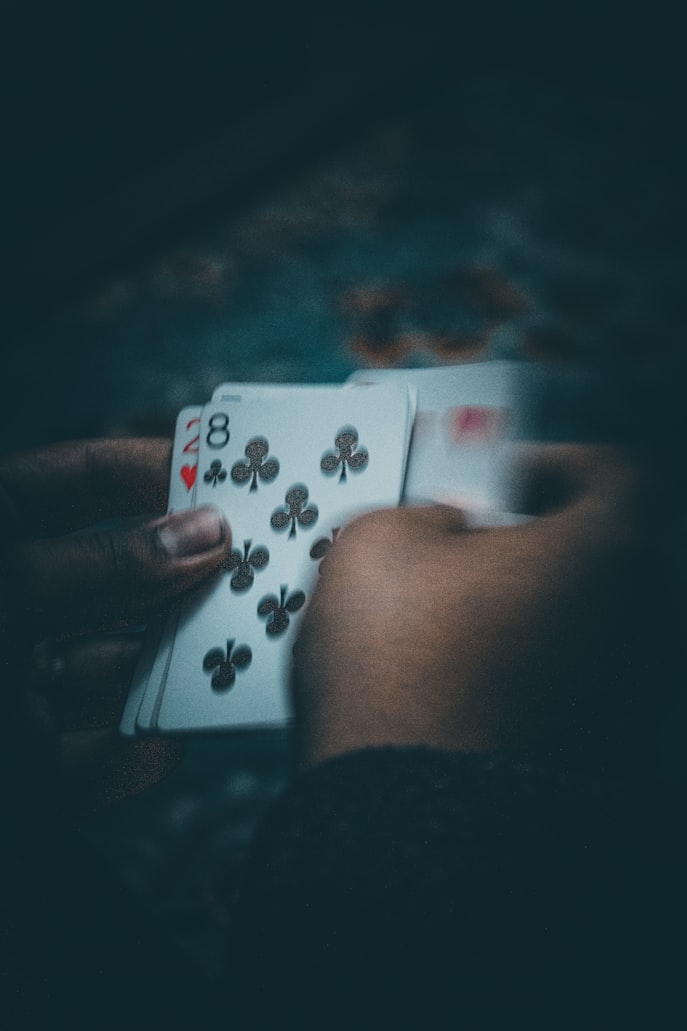
The phenomenon of ritualistic behavior in gambling can be linked to the human tendency to seek patterns and meanings in life’s events. When players achieve a win after performing a specific action or adhering to a belief, they are likely to repeat that behavior, reinforcing their conviction in its efficacy. Over time, this can lead to a cycle where superstitions become integral to a player’s gambling routine, providing a false sense of security and influencing ongoing decisions. Comprehending this relationship between superstitions and perceived luck can yield valuable insights into gambling behaviors and motivations.
While these rituals can enhance engagement and enjoyment during gameplay, it is imperative to approach them with caution. Overreliance on superstitions can foster distorted views of luck and risk, potentially resulting in adverse consequences for players. Encouraging responsible gaming practices also entails recognizing the influence of these psychological elements, helping players differentiate between luck and rituals that may merely amplify their emotional investment in the game without affecting actual outcomes.
Understanding Gambling Behavior Through Psychology
The field of psychology plays a critical role in understanding gambling behavior, particularly in terms of motivation and decision-making processes. Many players are drawn to casino games for the thrill and excitement they offer, often seeking an escape from the monotony of daily life. This quest for excitement can lead to increased gambling frequency, rendering players susceptible to the psychological effects of luck and chance. Research indicates that individuals who gamble frequently may experience a blurring of the lines between entertainment and risk, complicating their ability to engage with games responsibly.
Moreover, the interaction between cognitive biases and gambling behavior unveils layers of complexity within players‘ motivations and decision-making processes. For instance, the ‚illusion of control‘ leads players to believe they can influence outcomes through their choices, whether engaging in skill-based games or those grounded in chance. This misconception can be detrimental, as it may encourage riskier behaviors and contribute to higher gambling frequency. By educating players about these psychological factors, casinos can foster a healthier gaming environment that mitigates the potential for addiction and enhances overall player experiences.
Ultimately, understanding the psychological aspects of gambling can empower players to make informed choices. Awareness of how emotions, environmental cues, and superstitious beliefs impact their perception of luck can foster more responsible gaming practices. As the landscape of casinos continues to evolve, incorporating psychological insights into game design and player interactions can cultivate an atmosphere that prioritizes player well-being while preserving the exhilarating allure of gambling.